Recipes Suck, and how to work with them anyway.
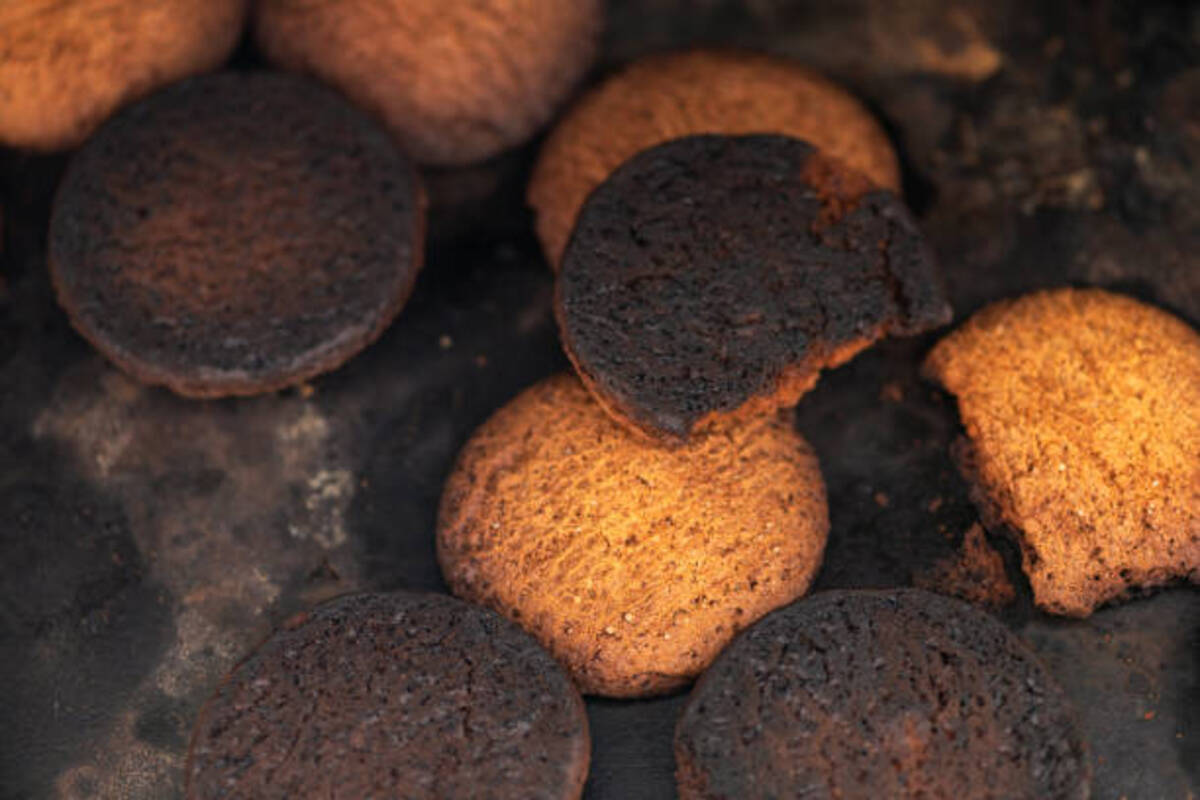
“If you wish to make an apple pie from scratch, you must first invent the universe”
Carl Sagan
Am I A Hypocrite?
Ok, I know what you’re thinking, am I really reading an article about how recipes suck written by a recipe blog author? It does seem counter-intuitive, but I must tell the truth. Hear me out, and the truth will set you free, as they say.
First off, I’ll do some necessary explanation that may seem like back-pedaling at first. Not all recipes are terrible, and even the ones that do suck don’t do so completely. At face value, recipes are useful , (perhaps even essential), documentation. Without record keeping and communication, there could be no continuity of knowledge. Recipes have been written down for as long as the written word has existed, in one form or another. I’m not advocating that they should be abolished, only that they are seen for the train wrecks that they can easily be, (I'm not trying to say that my recipes are excluded from this, quite the opposite!). Bear with me, and I’ll do my best to illuminate the issues as I see them.
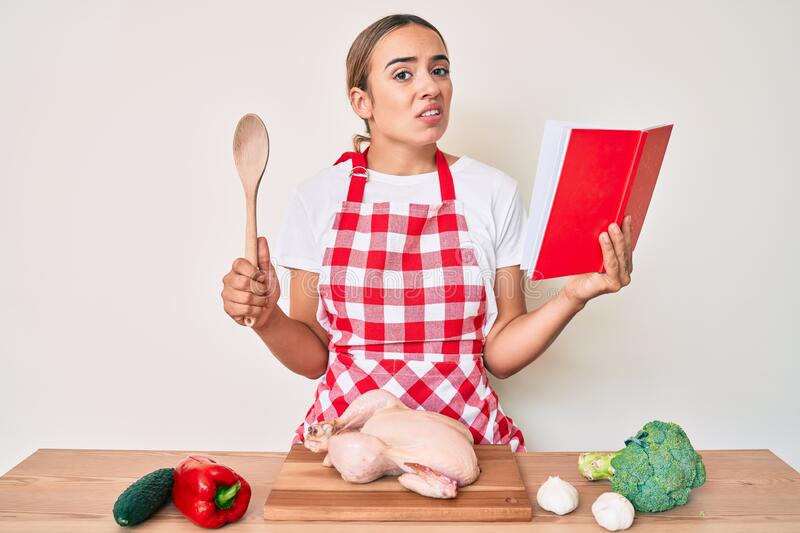
"Gently separate the skin from the chicken... huh?"
Recipes tend to make a lot of assumptions in the way that they are written. There are assumptions made about the level of knowledge the reader has, especially when it comes to the terminology used (do you know the difference between sweating or caramelizing onions?), or the lack thereof in the form of overly vague instructions, (cook over medium heat, how to saute, braise, sear?). Many recipes assume that any equipment needed to perform the task at hand is in every kitchen, as well as that everyone knows the name for every device (saucepan versus a skillet?). Basically, the underlying assumption is that you already know how to cook.
The Way Chefs Do It
As a chef, it was a central part of my responsibilities to generate recipes for my cooks to follow. Once I started into doing this was when I realized fully all of these issues, but especially in these areas, lack of precision, and general fallacies in respect to perspective. The goal is always to zero in on consistency when the recipe is executed, so that the end result is as close to the perfection of the end vision as possible. In order to accomplish this, one must channel ones inner scientist.

The known absolute measurement of a thing is the only way to quantify it when seeking scientific specificity. Therefore, we can’t use “one yellow onion”, or “the juice of one lemon”, as a dependable measure. Nature doesn’t size things uniformly for us, unfortunately.
In a professional kitchen of a certain stature, it’s known without any question that small dice is in reference to squares cut to one quarter of an inch. Expecting anyone who picks up a recipe to know that automatically, let alone all of the myriad other size and shaped cuts is ridiculous. All of this information must either be contained in an appendix with references to it each time, or be spelled out for the recipe.
Breaking It Down
This one is one of my favorites. “In a large saute pan over medium heat, cook for 10 minutes”, do I really need to point out how many things are wrong with that instruction? Alright, instead I will focus on the solution, I’ll be more positive, (like my wife always reminds me to be...), and suss out what will make it work. Instead of focusing on the length of time, let’s talk about the results needed. “In a large saute pan over medium heat, cook until the onions become uniformly light golden brown and fragrant”. This way we have a goal to work towards that is clearly defined in the recipe instead of setting a timer and hoping for the best. The cook will also learn something theoretically from the experience instead of going through the motions robotically.
You see the issues? That Carl Sagan quote is starting to make a little too much sense now, right? All is not lost, please don’t give up hope, there are many ways to minimize the impact of these hurdles and obstacles in the way of recipe greatness.
How To Overcome
Read the whole recipe, (even though recipes suck) before doing anything. How many times have we seen some one throw away the instructions for something, only to regret it very soon there after? (Not you, you’ve never done that, right??) Look closely for any of the issues or generalities that we’ve been discussing here, and make notes. Are these challenges deal breakers? Are they insurmountable in nature? Or just something that we can play with, using our best guess intuition? When a diced onion is called for, we could assume that a relatively “medium” size one could work, and then make a notation as to how much that yields us by weight, as an example.
Mise En Place. Everything. In. it’s. Place. The most important culinary term gifted to us by the French. This is the process of making sure to gather EVERYTHING that is needed to complete the recipe and organize it as best as possible. The more OCD you are about this, the better off you will be. Will you want to have a small spoon available to taste the sauce as you go? Put it near the stove. That way you won’t need to get it at the crucial moment when you can’t take a second to walk away from the pan. Yes, that specific.
Be patient, forgive yourself. You will make mistakes. You will forget things, burn stuff, (including yourself probably), and just in general screw things up. The only way to ensure success is to tolerate failure and learn from it.
Have fun when you cook. Play your favorite music, dance, try not to worry too much, after all, remember that it’s just food. It will all end up in the same place later on, think about it!
In Summation...
So yes, recipes suck, but they are the best that we’ve got. It’s through them that I’ve gotten the passion that I have, this crazy notion that I could somehow teach everyone to cook, and to love it even a little bit. Cooking, like life, is about making mistakes, learning from them, and enjoying the ride. Bon Appetit, friends.
Comments
No Comments